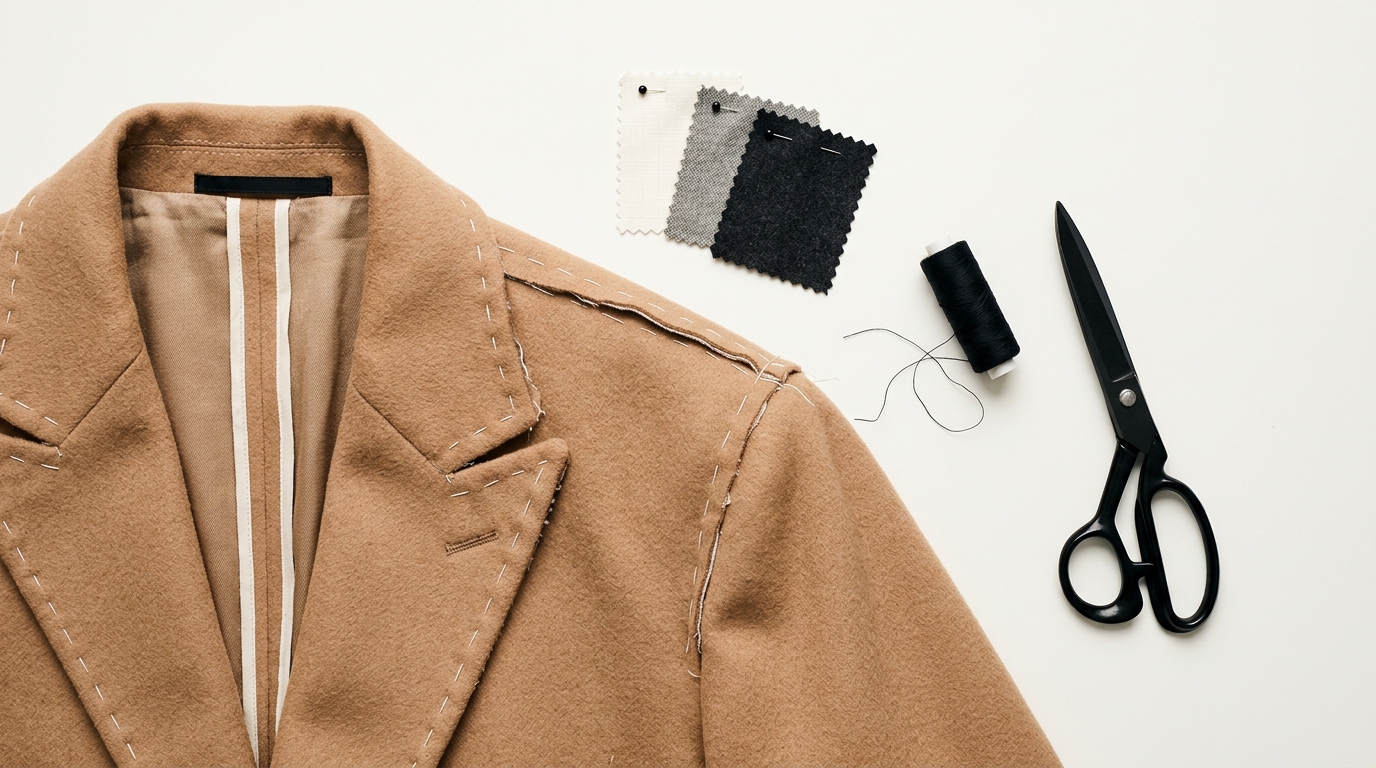
Quiet luxury is back - and this time it's not a trend cycle blip. It's a deliberate rejection of logo-heavy maximalism in favor of impeccable fabric, precise tailoring, and a palette so restrained it practically whispers. If you've been wondering whether your wardrobe needs a full overhaul or just a sharper editorial eye, this guide breaks down exactly what quiet luxury means in practice and how to wear it without looking like you raided a beige paint chip collection.
What Quiet Luxury Actually Is
Quiet luxury is a philosophy built on three pillars: quality of material, neutrality of palette, and absence of visible branding. It's the aesthetic language of old money - think Loro Piana cashmere, The Row's structured leather goods, and Brunello Cucinelli's featherweight blazers. The goal is clothing that earns a second glance not because it screams for attention but because the cut is immaculate and the fabric moves differently than everything else in the room.
This is not minimalism in the sparse, architectural sense. Quiet luxury allows texture, layering, and proportion play. What it refuses is noise - novelty prints, bold logos, fast-fashion silhouettes, and anything that derives its value from branding rather than craft.
Why It's Resurging Now
The maximalist wave of the early 2020s - logomania, dopamine dressing, statement color-blocking - ran its course. By 2025, cultural fatigue with visual overstimulation was measurable: a 2025 report by the Business of Fashion found that consumer search interest in "quiet luxury" had sustained a 3-year growth curve, outpacing trend keywords by a factor of nearly 2:1. In 2026, that cultural appetite has only deepened as consumers increasingly separate perceived status from actual taste.
Economic context matters too. When financial uncertainty rises, people invest in fewer, better things. A single cashmere coat that lasts a decade is both an aesthetic and a financial argument.
The Core Palette: What Colors Define This Look
Quiet luxury lives in a precise color spectrum. It's not "wear neutrals" - it's knowing which neutrals carry weight.
- Ivory and cream- warmer and richer than stark white; feels considered rather than clinical
- Camel and tan- the foundational mid-tones that anchor most quiet luxury outfits
- Stone and greige- the crossover between grey and beige that sits effortlessly against most skin tones
- Chocolate brown- the single "deep" tone that works as a quiet luxury alternative to black
- Navy- the one true exception to the warm-neutral rule; a well-cut navy blazer is as quiet luxury as it gets
- Soft grey- particularly in knits and flannel trousers, grey reads as understated authority
Black is not excluded, but it plays a supporting role. A black cashmere turtleneck under a camel overcoat? Perfectly on-code. An all-black outfit with a visible designer tag? That's a different aesthetic entirely.
Quiet Luxury vs. Other Aesthetics: 5 Clear Differences
Aesthetic
Logo Presence
Color Range
Key Marker
Price Driver
Quiet Luxury
None to minimal
Warm neutrals, navy
Fabric quality and tailoring
Craft and material
Logomania
Prominent, repeated
Brand-specific
Brand recognition
Brand equity
Old-Money Prep
Subtle crests or emblems
Plaids, checks, pastels
Heritage institutional signals
Tradition and provenance
Minimalism
None
Black, white, grey
Structural simplicity
Concept and proportion
Dopamine Dressing
Varies
Saturated brights
Color impact and mood
Visual energy
The Wardrobe Pieces That Anchor the Look
You don't need to spend five figures to adopt quiet luxury principles - but you do need to be selective. These are the pieces worth the investment:
- A cashmere or wool overcoat in camel or stone- the single most powerful quiet luxury statement. Wear it over almost anything and the outfit elevates immediately.
- Tailored trousers with a clean break- not skinny, not wide-leg extreme; a proportioned straight leg in wool or a quality blend
- A fine-knit crewneck or turtleneck- merino or cashmere in ivory, grey, or chocolate. No graphic, no text, no embellishment.
- Leather loafers or ballet flats in tan or cognac- unbranded or with the most restrained hardware possible
- A structured leather or suede bag in one of the core palette tones- The Row, Polène, Métier, or similar brands that prioritize construction over branding
- White or cream button-down in a quality cotton or linen- slightly oversized with a relaxed collar, not a stiff office shirt
How to Build This Look on a Real Budget
The aesthetic is aspirational but not inaccessible. The strategy is to buy secondhand or invest-in-one: pick one hero piece - the coat, the bag, the shoes - and let it do the work while the rest of the outfit is composed of well-fitting basics from accessible brands.
Massimo Dutti, COS, Uniqlo's premium lines, and Quince all produce quiet luxury-adjacent pieces at significantly lower price points than The Row or Brunello Cucinelli. A Quince cashmere sweater, a COS tailored trouser, and a secondhand Toteme coat can compose a convincingly quiet luxury outfit for under $400 total. The principles matter more than the labels - which is, ironically, exactly the point of the aesthetic.
The key editing rule: if you're unsure whether a piece fits, ask whether someone would notice the garment first or the person wearing it. Quiet luxury means the person always wins.
Common Mistakes That Break the Look
Getting quiet luxury wrong usually comes down to four errors:
- Over-neutralizing- wearing five shades of beige simultaneously with no tonal contrast creates a washed-out, shapeless effect. Anchor with one deeper tone.
- Wrong fabrics- polyester in neutral tones is not quiet luxury; it's just beige fast fashion. Fabric drape and texture carry the aesthetic. Prioritize natural fibers.
- Poor fit masquerading as "relaxed"- there's a difference between intentional ease in tailoring and a garment that simply doesn't fit. Quiet luxury requires precision even in its loose silhouettes.
- Mixing with logomania pieces- a Burberry check coat over a pristine cashmere look can work because the check is heritage, not branding. A visible luxury monogram bag breaks the spell immediately.
Is This Aesthetic Right for You?
Quiet luxury suits people who find their style identity in restraint, who'd rather be complimented on their coat's drape than their logo's legibility, and who prefer building a slow, considered wardrobe over chasing seasonal drops. It's particularly powerful in professional environments where authority and taste carry more weight than trendiness.
It's also simply a more durable approach to dressing. Trend aesthetics have a half-life. Quiet luxury, by definition, does not announce what year it was bought.
---
Is quiet luxury the same as minimalism?
No. Minimalism prioritizes structural reduction and often relies on stark contrasts - particularly black and white. Quiet luxury is warmer, more textural, and focuses on material quality and tailoring as the primary value signals. You can layer richly and still be firmly within quiet luxury territory.
Do you have to spend a lot of money to dress in quiet luxury?
Not necessarily. The aesthetic is defined by principles - fabric quality, restrained palette, clean tailoring, no visible branding - not by specific price points. Accessible brands like Uniqlo, COS, and Quince produce pieces that align with these principles. One well-chosen investment piece paired with quality basics delivers the look without a luxury price tag on every item.
What brands are most associated with quiet luxury?
The defining brands are The Row, Loro Piana, Brunello Cucinelli, Toteme, Khaite, Polène (accessories), and Métier London. For more accessible options, Massimo Dutti, COS, and Quince consistently produce quiet luxury-adjacent pieces at mainstream price points.
Can men wear quiet luxury or is it primarily a women's aesthetic?
Quiet luxury translates directly to menswear. Tailored wool trousers, a cashmere crewneck, a camel overcoat, and leather Derby shoes or loafers is a textbook quiet luxury men's outfit. Brunello Cucinelli's menswear line is the clearest reference point, and the principles apply identically regardless of gender.
How is quiet luxury different from "old money" style?
Old money style is a cultural reference that includes heritage signals - crests, plaids, equestrian or nautical references, Ivy League codes. Quiet luxury strips those away entirely. It has no nostalgia for institutions; it's purely about material quality and the absence of effort. You can think of quiet luxury as old money with all the storytelling removed, leaving only the craft.