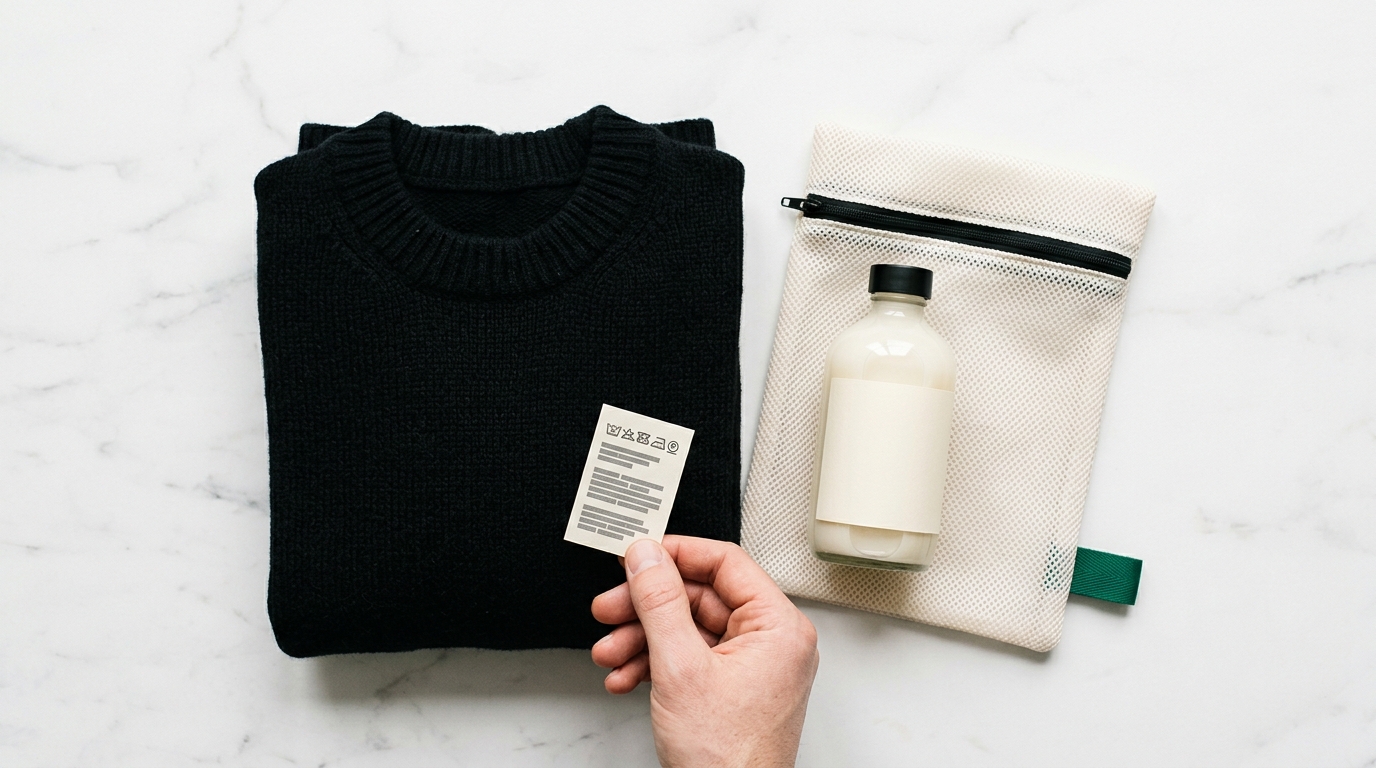
Natural fabrics - cotton, linen, wool, silk, and cashmere - require specific care routines to stay soft, strong, and beautiful wash after wash. The single most common mistake people make is treating all natural fibers the same way. Each fiber has a distinct structure, and using the wrong temperature, detergent, or drying method will shrink, felt, or fade it permanently.
This guide breaks down exactly what each fabric needs, what to avoid, and how to build a laundry routine that extends the life of your natural-fiber wardrobe by years.
Why Natural Fabrics Demand Different Care
Synthetic fibers like polyester are engineered to be durable and forgiving. Natural fibers are biological - they come from animal coats or plant cellulose, which means heat, agitation, and harsh chemicals interact with them at a molecular level. Wool fibers have microscopic scales that lock together under heat and friction, causing irreversible felting. Silk is a continuous protein filament that degrades in alkaline detergents. Cotton swells when wet and can shrink up to 20% in a hot dryer if it wasn't pre-shrunk. Linen, though remarkably strong when wet, will break down with repeated high-heat drying.
Knowing the biology of your fabric is the foundation of caring for it correctly.
Cotton: Durable but Shrink-Prone
Cotton is the most forgiving of the natural fibers, but it still has rules. Machine washing is fine for most cotton garments, but the temperature matters enormously.
- Wash temperature: 30°C (86°F) for everyday items; 60°C (140°F) only for white linens or heavily soiled work clothes where you need sanitization.
- Detergent: Standard liquid detergents work well. Avoid bleach on colored cotton - it strips dye permanently.
- Drying: Air-dry or tumble dry on low. High heat is the primary cause of cotton shrinkage and fiber breakdown.
- Ironing: Cotton tolerates a hot iron. Ironing while slightly damp produces the best results.
Pre-washed or "pre-shrunk" cotton on a label means the manufacturer already applied heat treatment, so it's less likely to shrink further - but it won't be immune. Expect up to 5% additional shrinkage on pre-shrunk cotton after home washing.
Linen: Stronger Than It Looks
Linen comes from the flax plant and is one of the strongest natural fibers by tensile strength. It softens with every wash, which is actually a good thing. Many linen pieces improve with age when treated correctly.
- Wash temperature: Cold or warm water (up to 40°C / 104°F). Hot water causes linen to shrink and weaken its fibers over time.
- Machine or hand wash: Both are fine. Use a gentle cycle on the machine.
- Detergent: Mild liquid detergent. Avoid enzyme-heavy detergents, which can break down plant cellulose over repeated use.
- Drying: Air-dry flat or hang. If you use a dryer, remove while still slightly damp to prevent deep creasing and fiber stress.
- Ironing: Iron on medium-high heat while damp. Linen wrinkles are largely unavoidable and, for many wearers, part of its natural charm.
Wool: Handle with Serious Respect
Wool is the highest-maintenance common natural fiber. Its protein structure and scaled surface make it vulnerable to felting - an irreversible matting process triggered by heat plus agitation plus moisture hitting the fiber simultaneously.
- Wash frequency: Wool is naturally antimicrobial. Spot-clean between washes and wash the full garment only every 3–5 wears.
- Water temperature: Cold water only - ideally below 30°C (86°F).
- Agitation: Minimal. Hand wash with a gentle squeeze-and-soak method, or use a machine's dedicated wool cycle (many modern machines include one).
- Detergent: Wool-specific detergent or a pH-neutral soap. Never use standard detergent - most are alkaline and will damage the protein structure.
- Drying: Never wring. Press gently between towels, then lay flat on a clean surface to dry in the original shape. Never hang wet wool - it stretches under its own water weight.
- Storage: Fold, never hang. Store with cedar blocks rather than mothballs, which contain harmful naphthalene.
Silk: Delicate but Not Helpless
Silk has a reputation for being impossibly fragile, but it can handle careful hand washing at home. The enemies of silk are alkaline detergents, sunlight, and rough handling.
- Wash method: Hand wash in cool water (under 30°C / 86°F). Submerge, gently swish, never scrub or wring.
- Detergent: Silk-specific or delicate wash - look for pH-neutral or slightly acidic formulas. A small amount of white vinegar in the rinse water helps restore silk's natural sheen.
- Machine washing: If the label allows it, use a mesh laundry bag, cold water, and the gentlest cycle available.
- Drying: Roll in a clean towel to remove excess water, then hang in shade or lay flat. Direct sunlight yellows and weakens silk rapidly.
- Ironing: Use a low setting on the reverse side, or use a pressing cloth between the iron and fabric. Never iron silk when wet - it causes water spots.
Cashmere: Worth the Extra Steps
Cashmere is a premium wool fiber from cashmere goats, finer than standard wool and proportionally more vulnerable. The care rules overlap with wool but are stricter.
- Wash frequency: Every 5–7 wears. Air out between uses.
- Method: Hand wash only in cold water with a cashmere-specific or baby shampoo - it shares silk's pH sensitivity.
- Pilling: Cashmere pills with friction. Use a fabric comb or cashmere de-pilling stone to remove pills without damaging the weave.
- Drying: Lay flat on a dry towel in the garment's natural shape. Reshape while wet.
- Storage: Fold and store in a breathable cotton bag. Cedar blocks repel moths. Never compress cashmere under heavy items for long periods.
Quick-Reference Comparison: Natural Fabric Care
Fabric
Max Wash Temp
Machine Safe?
Dryer Safe?
Biggest Risk
Cotton
60°C (140°F)
Yes
Low heat only
Shrinkage from heat
Linen
40°C (104°F)
Yes, gentle cycle
Remove while damp
Fiber breakdown from heat
Wool
30°C (86°F)
Wool cycle only
Never
Felting from heat + agitation
Silk
30°C (86°F)
Delicate cycle, mesh bag
Never
Alkaline detergent damage
Cashmere
Cold only
Hand wash preferred
Never
Felting and pilling
Universal Rules That Apply to Every Natural Fabric
- Read the care label first. Manufacturers test their specific fabric weight, weave, and dye - follow their guidance before any generic advice, including this article's.
- Wash inside out. Reduces surface abrasion on dyes and decorative details.
- Separate by color. Natural fabrics dye beautifully but can also bleed. Wash darks, lights, and whites separately for the first five washes of a new item.
- Use the right amount of detergent. More isn't better - excess detergent leaves residue that attracts dirt and can degrade fibers over time. Use 50–75% of the recommended dose for natural fabrics.
- Treat stains immediately. Cold water on most stains, warm water on oil-based ones. The longer a stain sits, the harder it binds to natural fibers.
Storing Natural Fabrics Long-Term
Clean garments before storage - even invisible body oils attract moths and cause fiber breakdown over months. Breathable cotton storage bags beat plastic bins, which trap moisture. Keep storage areas cool, dark, and dry. Cedar products repel clothes moths without the toxicity of traditional mothballs. Refold stored items every few months to prevent permanent crease lines in linen and silk.
Can I put any natural fabric in the dryer?
Cotton is the only common natural fabric that tolerates a dryer regularly, and only on a low-heat setting. Linen can go in briefly if removed while still slightly damp. Wool, silk, and cashmere should never go in the dryer - even a low-heat cycle creates enough heat and tumbling action to cause permanent felting or distortion.
What detergent is safe for all natural fabrics?
No single detergent is optimal for every natural fiber. A pH-neutral, enzyme-free liquid detergent is the safest general choice - it won't harm protein fibers like wool and silk, and it's gentle enough for plant fibers like cotton and linen. Dedicated wool washes and delicate fabric washes (such as those formulated for silk) are worth keeping on hand for your most sensitive pieces.
How do I get rid of wool smell without washing the whole garment?
Hang the wool item in fresh air - outdoors in a shaded spot, or near an open window - for several hours. Wool's natural lanolin content gives it antimicrobial properties that prevent odor from embedding deeply. Lightly misting with a 1:3 ratio of white vinegar to water and allowing it to dry completely also neutralizes odors without washing.
Why does my linen feel stiff after washing?
Linen stiffness after washing is caused by mineral deposits from hard water and detergent residue. Add half a cup of white vinegar to the rinse cycle - it strips residue and softens the fabric naturally. Linen also softens progressively with each wash over the first 10–15 cycles, so new linen being stiff is entirely normal.
Is dry cleaning always safer than hand washing for natural fabrics?
Not always. Dry cleaning uses chemical solvents - perchloroethylene being the most common - which can degrade silk and delicate wool over repeated treatments. For everyday natural-fiber garments, careful hand washing is often gentler than frequent dry cleaning. Reserve dry cleaning for structured garments (blazers, tailored wool coats) where the construction - interfacing, padding, shape - would be damaged by water, not necessarily the fabric itself.